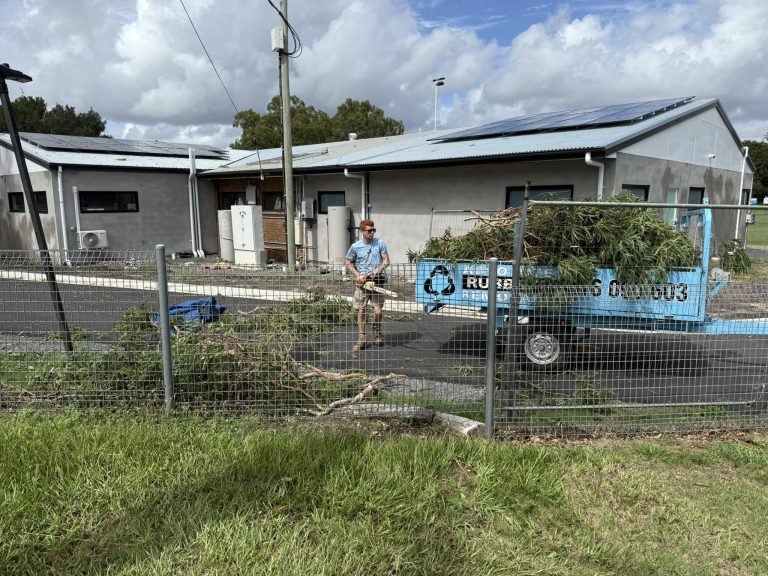

A boundary job works best when people, access and timing are agreed first.
An old fence stands on a physical line and a relationship line. Before it comes down, owners may need to agree on the work, a fencing contractor may be measured for replacement, and both properties may rely on the boundary for pets, privacy or access. Good fence demolition and removal planning connects those people to one changeover date rather than treating the fence as a row of disposable panels.
The first conversation happens away from the tools
Confirm who is authorised to decide the fence scope. If it is a dividing fence, do not assume one property owner can simply arrange removal. Queensland Government guidance explains that adjoining owners have rights and responsibilities around dividing fences, and removal disputes can require formal resolution. Owners should follow the proper process and seek legal guidance where needed.
Keep the practical conversation factual: which length is involved, what type of replacement is planned, when access is available and whether either household has pets or children using the yard. A written summary and marked boundary photo give the contractors a shared reference without asking them to settle ownership questions.
Walk the line in short chapters
Divide the fence into sections such as front return, side boundary, gate, rear corner and any masonry portion. Photograph both faces where access is authorised. One section may be simple timber palings, while the next includes a retaining edge, vines, services or a neighbour’s structure. A single wide photograph often hides those changes.
Mark parts that are not included. A gate may stay while adjoining panels go, or a brick pier may belong to the replacement design. Clear labels are safer than relying on “the old section” when weathering makes the whole boundary look similar.

Plan for what the fence currently controls
Removing the boundary can open a route for dogs, children and passers-by. It can also expose a pool area or reduce privacy. Ask the fencing contractor and property owners how the site will be controlled between demolition and replacement. Temporary measures must suit the actual property and relevant safety requirements; a rubbish removal team should not invent them on arrival.
If the new fence cannot start promptly, reconsider the demolition date. A longer open period increases the need for access control, weather planning and neighbour communication. The fastest demolition date is not useful if it creates an unmanaged boundary for several days.
Protect the living edge beside the boundary
Fences collect gardens around them. Identify irrigation lines, garden lights, trellises, tree roots, raised beds and plants that cross the boundary. Decide who will handle climbing plants before the fence work and which growth must remain. Do not ask a demolition crew to make landscaping decisions from appearance alone.
Clean branches and ordinary garden cuttings should be kept away from nails, wire, concrete and treated timber. If the project creates a separate garden pile, explain that stream when booking instead of burying it under fencing debris.
Match the removal rhythm to the new fence
Some projects benefit from clearing the whole run first. Others work better in sections so the replacement contractor can follow behind. Let the fence installer define the access, measurement and footing needs, then arrange removal around that sequence. This avoids filling the working strip with a debris pile at the moment new materials arrive.
Set one handover point for each section. The demolition team confirms the agreed material is gone; the fencing contractor confirms the area is ready for its next task. Photographs help when work spans different days or people.
Give both households the same short timetable: when the old section closes, when access starts, when debris is expected to leave and when the replacement team takes over. The timetable is not a legal agreement, but it reduces ordinary confusion. Nobody should discover an open boundary only after letting a pet into the yard. Add a rain-delay contact as well. Confirm that contact before the workday begins.
Separate the fence by what it is made from
A boundary may combine timber palings, metal rails, wire, brick piers, concrete footings and attached screens. Describe these materials before quoting. Loose soil, large retaining structures and extensive concrete can fall outside an ordinary removal scope, so do not hide them under the broad label “fence waste”.
Old coatings, unknown sheeting or unusual infill also deserve attention. If material may contain asbestos, stop and arrange an appropriate assessment before any disturbance. Suspected asbestos never belongs in a mixed fencing load.
Close the gap with one authorised contact
On the workday, nominate one person who can confirm the marked scope and answer access questions. Keep vehicles away from the loading route and tell both properties when gates may be unavailable. Once removal is complete, check both sides for loose nails, wire and small fragments before pets or residents return to the area.
Absolute Rubbish Removals handles suitable timber and brick fence projects with debris removal and site clean-up, taking on the equipment and insurance considerations a DIY pull-down leaves with the property owners. Call 0416 090 603 or send the agreed fence scope. Include the section map, material types, access arrangement and replacement date so the old boundary can leave without derailing the new one.